The Data & Evaluation Layer for Physical AI
Capture synchronized robot data. Find failures. Benchmark policies. Generate the data that fixes them.
The loop every robot fleet runs — VisionLibra is the layer that runs it.
Wear it. Work normally.
Capture everything.
Real footage from a customer's electronics assembly line: operators wearing VisionLibra head-mounted capture rigs record first-person video and hardware-synced sensor data of every pick, placement and inspection — hands-free, while doing their actual jobs. No studio. No re-staging. Production-grade egocentric training data, straight from the line.
One stack, from capture to deployment
Most vendors sell you a camera and stop. VisionLibra covers the whole loop — rigs that capture synchronized data, services that label and score it, an SDK and models that run on the edge, and a fleet that keeps feeding the next training round.
Hardware that feeds the loop
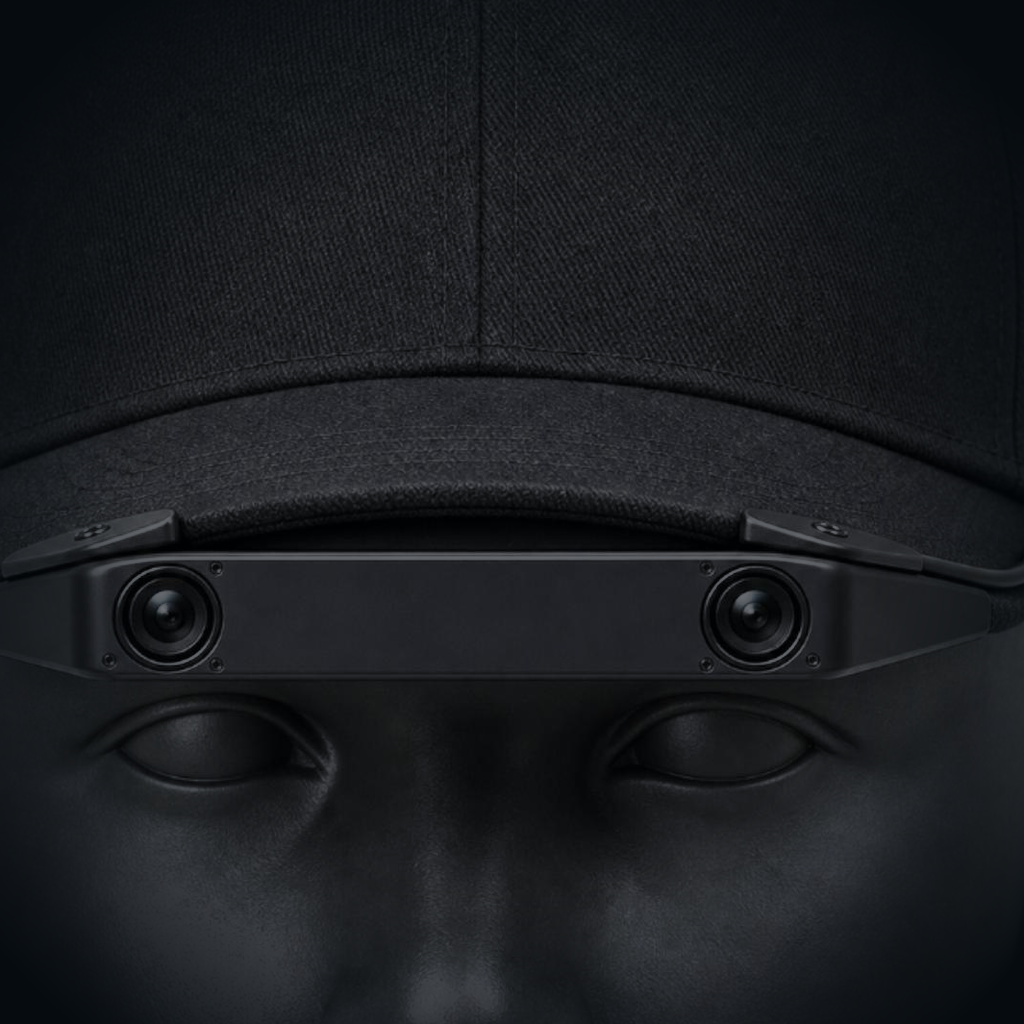
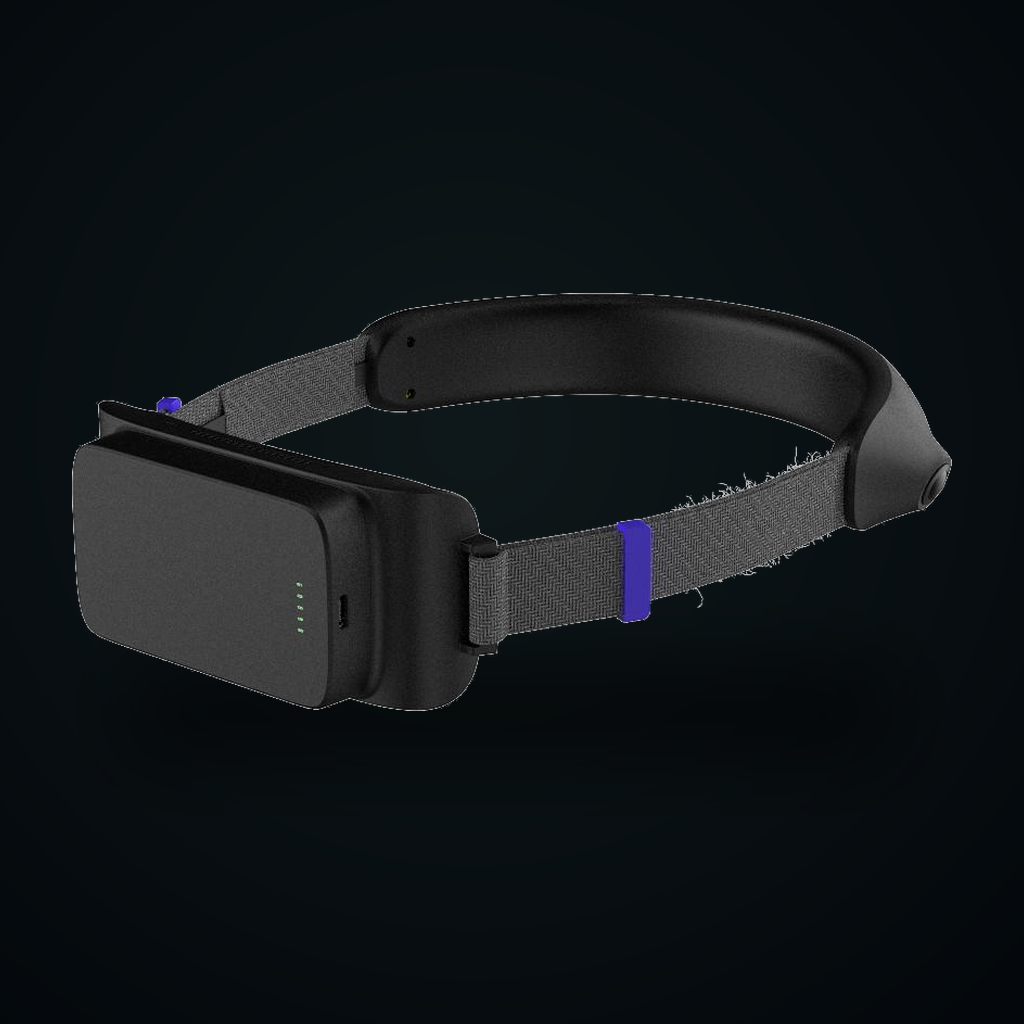
The loop starts with data you can trust: head-worn egocentric rigs and on-vehicle compute that capture synchronized video, depth, IMU and robot state — every stream on one hardware clock, ready for evaluation and training.
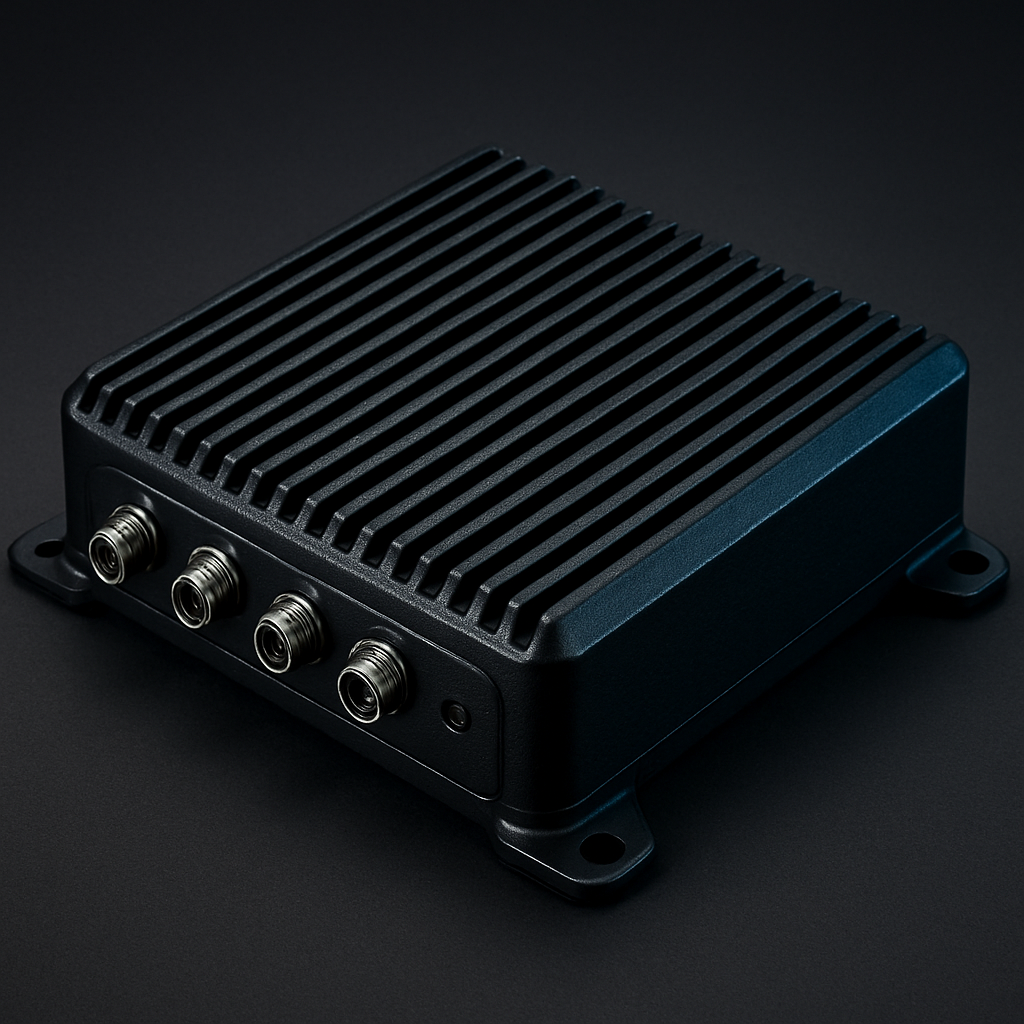
RobooPi P53
NVIDIA Orin Nano 8 GB with four Fakra GMSL2 camera inputs and hardware frame sync — built to ride on the machine.
ToF modules to build sensing into your own product
The same depth stack at component scale — for teams putting perception inside a device rather than collecting a dataset. Every module runs the same SpatialAI SDK as the capture rigs.
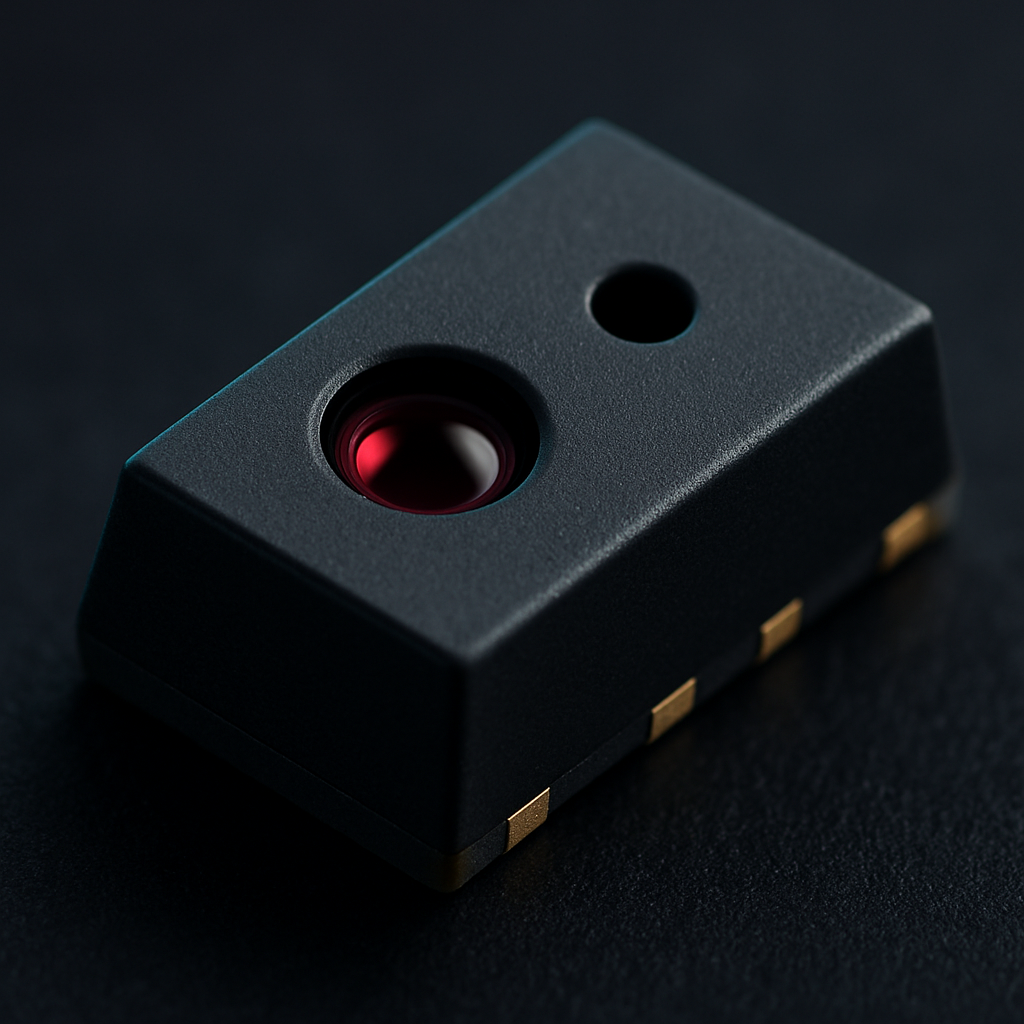
Spatial Mini
A 4.4 × 2.4 mm distance sensor with 5 m range — presence and gesture intelligence for any product.
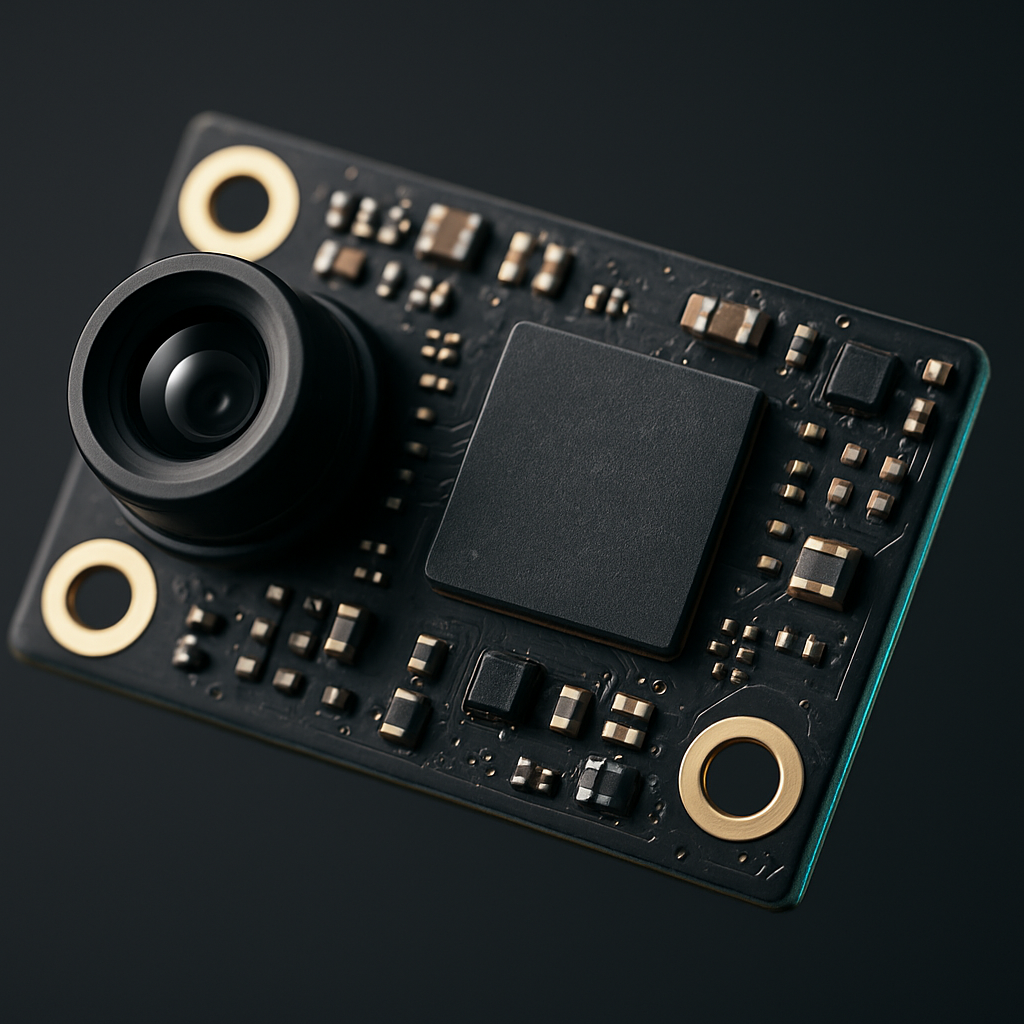
Spatial Home
An all-in-one 3D ToF solution — up to 100 × 100 depth with on-module processing, made for IoT and smart home.
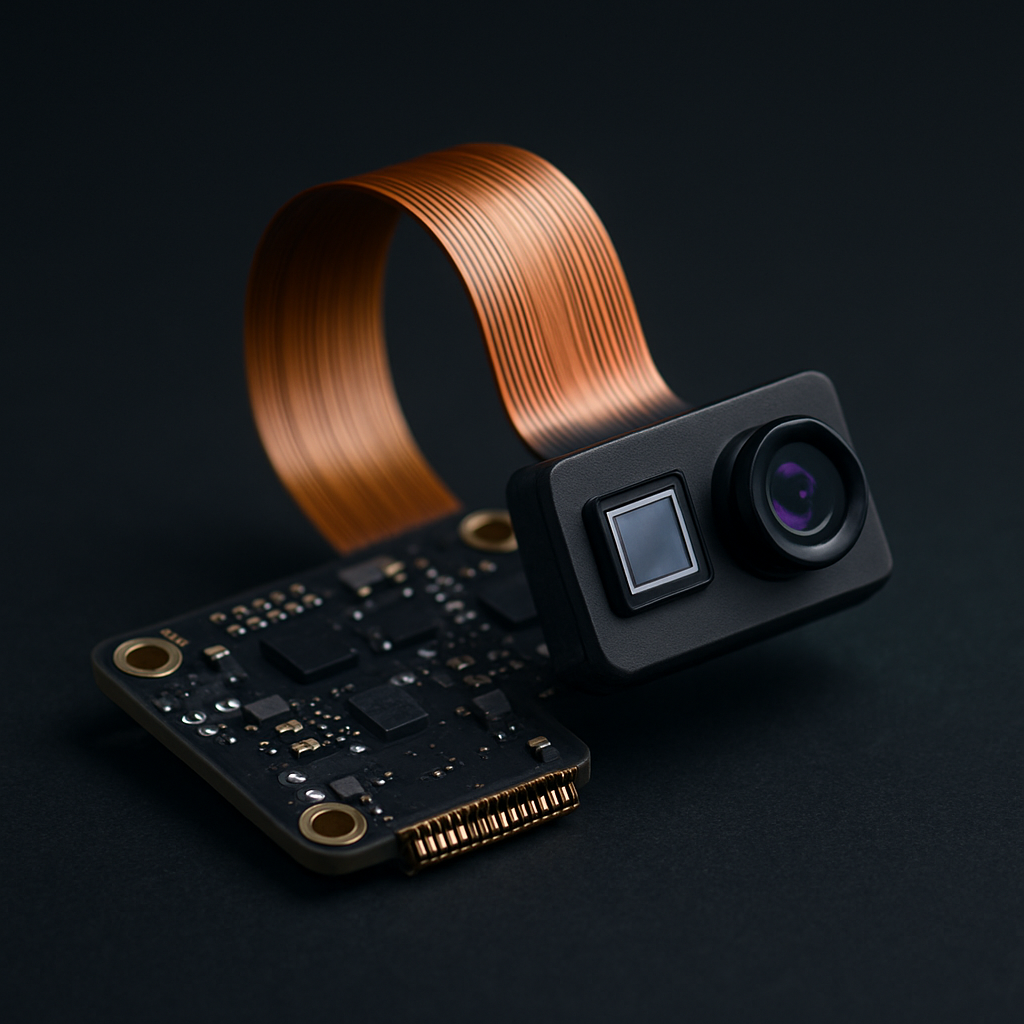
Spatial Vision
A compact 3D depth camera that sees people, hands, and spaces — built for interaction at human scale.
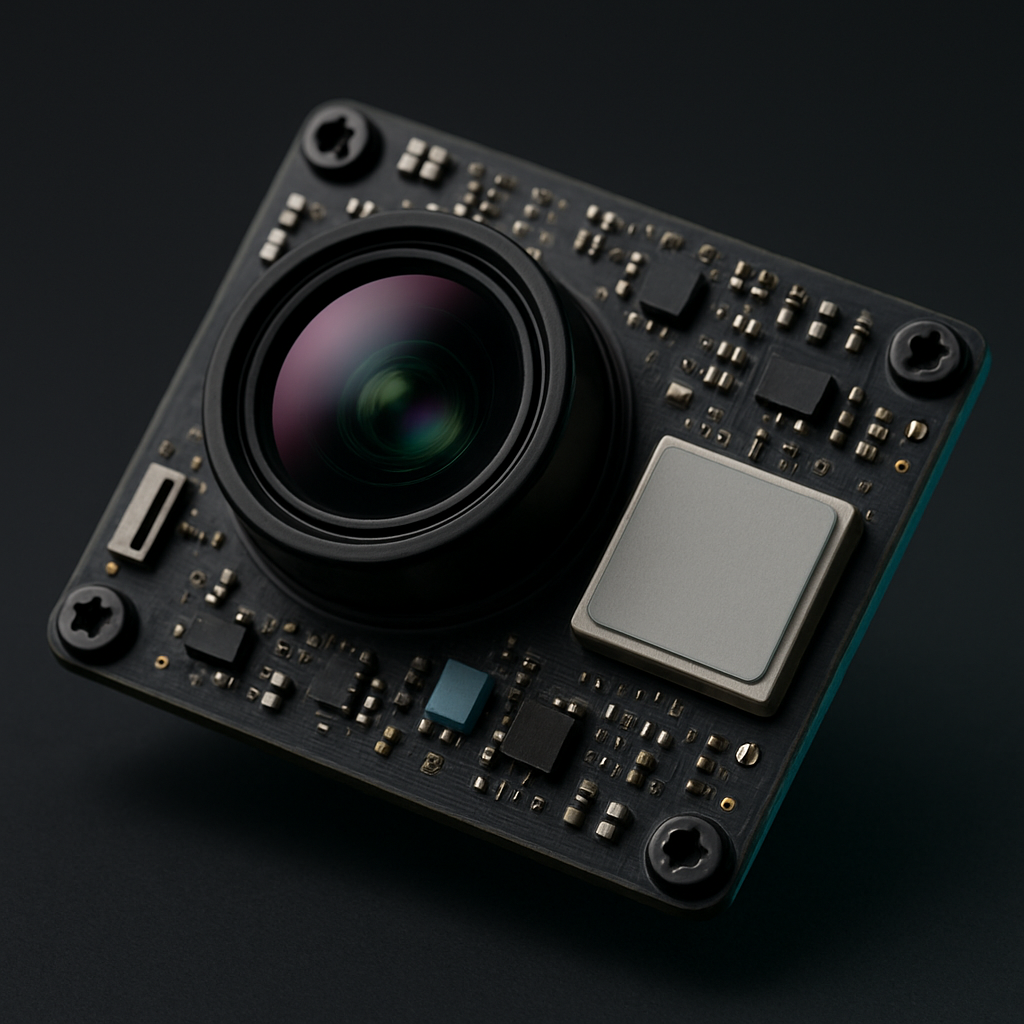
Spatial Robot
Miniature 8 m SPAD LiDAR array for machines that move — sunlight-tolerant depth for AMRs and drones.
Value in five lines of Python
Plug in a camera, pip install spatialai, and you're detecting people before your coffee cools. Python, C++, and ROS 2 — with on-device inference, no cloud round-trips.
# Install the SDK
$ pip install spatialai

# Five lines to spatial intelligence
from spatialai import Camera

cam = Camera()
result = cam.detect_people()
print(result)
# → {'people': 3, 'nearest_m': 1.42, 'positions': [...]}
It's a platform. Not a camera.
100 cameras, online status, staged OTA rollouts, live logs, and zone heatmaps — one pane of glass for your entire deployment.
Zone Heatmap — Aisle Activity
Live Logs
They do AI.
We do AI Agents.
Detection is table stakes. VisionLibra agents close the loop — from a depth frame to a Slack alert, a database record, and an incident report. Automatically.
Forklift enters zone B3
Spatial Robot's sunlight-tolerant dToF tracks it, outdoors or in.
Worker detected in path
On-device model flags a person within the danger radius.
Agent evaluates the event
Context, zone rules, and severity — decided at the edge.
Slack notification fires
#warehouse-safety pinged in under a second.
Event logged to your database
Structured, queryable, audit-ready.
Incident report auto-generated
Written, filed, and linked to the video segment.
Dashboard updated
Heatmaps and safety KPIs reflect it instantly.
from spatialai import Camera, Agent

cam = Camera("spatial-robot-01")
agent = Agent(model="forklift-safety")

@agent.on("person_near_forklift")
def handle(event):
    agent.notify.slack("#warehouse-safety", event.summary())
    agent.db.log(event)                  # structured record
    agent.report.incident(event)         # auto-generated report

agent.run(cam)
Agents connect to your stack
Turn every deployment into better training data
Annotation, robot trajectories, failure mining, and evaluation for robotics teams — delivered by humans and AI. Works with VisionLibra hardware or your own cameras, LiDAR, ROS bags, and robot logs.
From camera to cloud — one pipeline
Simple pricing, serious leverage
Buy the camera once. Grow into the SDK, models, and enterprise platform as you scale.
Own the sensor. From a coin-sized 1D ToF to an 8 m robotics LiDAR module.
- 4 depth products, one SDK
- Free community SDK tier
- Volume & OEM pricing
The full SpatialAI toolchain for commercial products.
- Python API (C++ & ROS 2 on roadmap)
- On-device inference runtime
- OTA updates & fleet tools
- Commercial license
Production models from the marketplace, deployed in one line.
- People, gesture, safety, SLAM
- Optimized per device
- Continuous accuracy updates
The full platform: fleet dashboard, agents, and priority support.
- Fleet dashboard & OTA at scale
- Agent platform + integrations
- ERP / Slack / webhook connectors
- SLA & dedicated engineer
Model-ready Physical AI datasets.
- 2D / 3D annotation
- RGB-D & point cloud
- Robot trajectory labels
- Failure intelligence
- Evaluation datasets
- Custom collection
Start building Physical AI today
Order a dev kit, install the SDK, and ship your first spatial agent this week.